Discover Kenya
Amboseli National Park
Destination Overview
Introduction
Lying in the shadow of the highest peak in Africa, Amboseli National Park is one of Kenya's most beloved and most photographed wildlife destinations. Situated in Kajiado County in southern Kenya, just kilometres from the Tanzanian border, Amboseli covers approximately 392 square kilometres of diverse terrain — from the dry bed of ancient Lake Amboseli to spring-fed swamps, savannah grasslands, and acacia woodlands — all set against the impossibly beautiful backdrop of Mount Kilimanjaro, whose ice-capped summit rises to 5,895 metres above sea level.
Despite the aridity of much of the park, Amboseli is extraordinarily alive. Underground water from Kilimanjaro's glacier seeps beneath the surface and emerges in lush spring-fed swamps — Enkiama and Longinye — that create oases of life drawing extraordinary concentrations of wildlife year-round. For WildpathAfrica guests, Amboseli represents an experience unlike any other on the African continent — a place where the scale of wildlife, the scale of the landscape, and the scale of human history converge to create something truly extraordinary.
Why Visit Amboseli National Park?
Amboseli is, quite simply, the best place in the world to see African elephants in their natural habitat. The park is home to one of Africa's most studied and celebrated elephant populations — large, habituated herds whose behaviour has been observed by researchers for over five decades. These are among the largest-tusked elephants in Africa, and watching a herd of fifty or more individuals moving silently across the open plains, with Kilimanjaro glowing in the morning light behind them, is an image that stays with you forever.
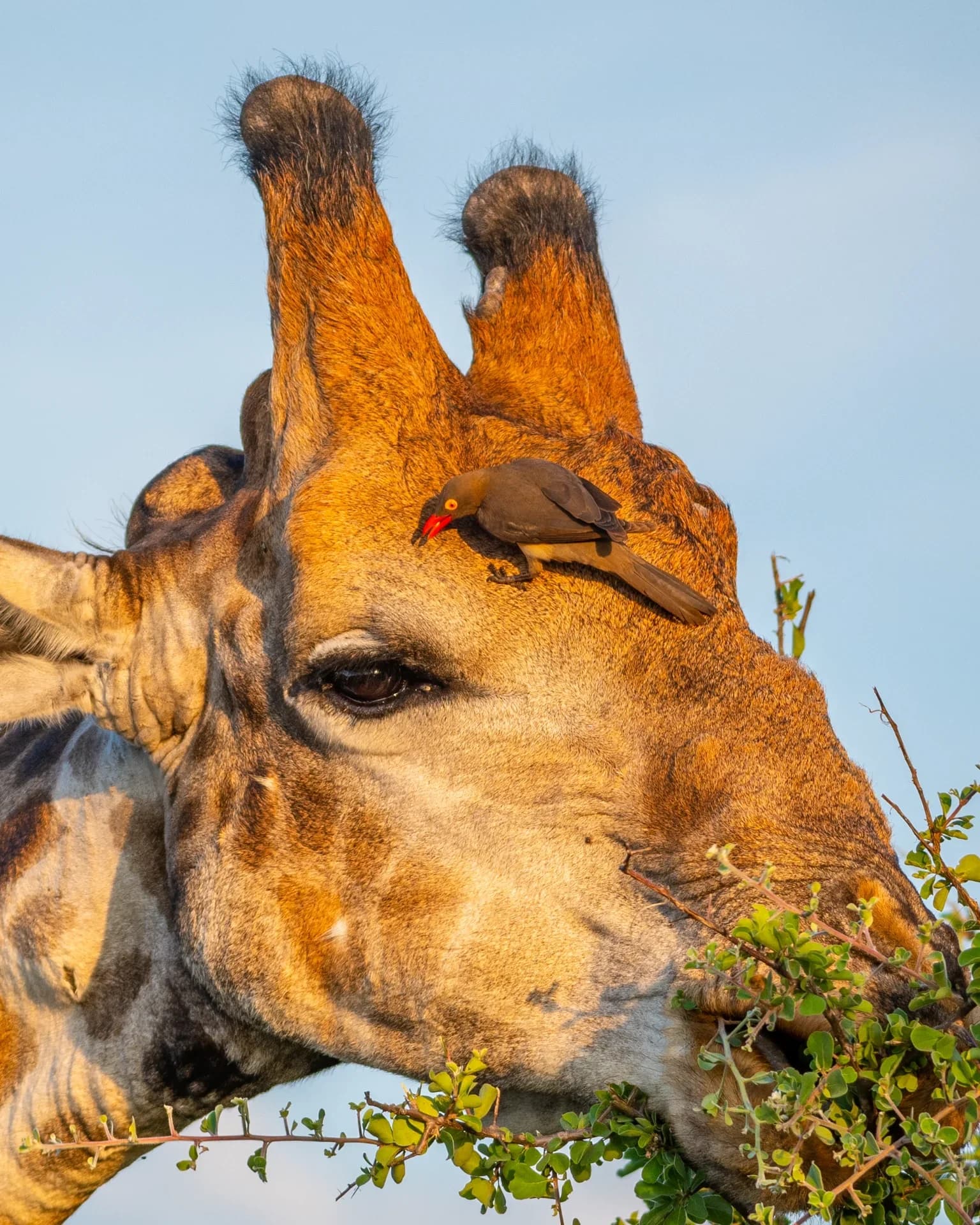
Beyond elephants, Amboseli offers excellent predator viewing , lion prides rest in the shade of acacia groves, cheetahs cruise the open grasslands, and the swamps attract hippos and a remarkable diversity of waterbirds. Amboseli is also one of Kenya's most accessible and affordable wildlife experiences, making it ideal for first-time safari-goers, families, and those combining Kenya with a Kilimanjaro climb in Tanzania.
Wildlife & Nature
The ecological richness of Amboseli stems from the unique hydrology created by Kilimanjaro's meltwater. The underground springs feed the Enkiama and Longinye swamps, which remain green and abundant even during Kenya's dry seasons, acting as a magnet for wildlife. During the dry months, thousands of elephants, zebras, wildebeest, and buffaloes converge on the swamp edges simultaneously. Birdlife is exceptional with over 400 species recorded, including African spoonbills, saddle-billed storks, yellow-billed storks, and a magnificent diversity of raptors soaring above the open plains.
Culture & Community
Amboseli National Park is deeply embedded within Maasai territory, and the relationship between the park and surrounding Maasai communities is central to conservation here. Visitors have the opportunity to visit traditional Maasai villages bordering the park, where families welcome guests to share in their daily lives — watching warriors demonstrate the adumu jumping dance, learning about cattle herding practices, and observing women at work creating elaborate beaded jewellery. WildpathAfrica works closely with community conservation groups in the Amboseli ecosystem to ensure that tourism revenue contributes directly to local development projects.
Attractions & Highlights
Frequently Asked Questions
What is Amboseli National Park famous for?▼
Amboseli National Park is world-famous for two things: its extraordinary elephant population and its iconic views of Mount Kilimanjaro. The park is home to some of Africa's largest-tusked elephants, whose herds have been studied continuously since the 1960s, making them among the most habituated and most photographed elephants on the continent. The image of a massive elephant bull silhouetted against Kilimanjaro's snow-capped peak is one of Africa's most iconic safari photographs, and Amboseli delivers it on a near-daily basis during clear-weather mornings.
How far is Amboseli from Nairobi?▼
Amboseli National Park is approximately 240 kilometres southeast of Nairobi, a drive of roughly 4 to 5 hours by road in a 4x4 safari vehicle. WildpathAfrica departs early morning to ensure guests arrive in time for an afternoon game drive on Day 1. The route passes through the scenic Athi Plains, and Kilimanjaro becomes visible on the horizon hours before you enter the park itself.
When is the best time to visit Amboseli National Park?▼
Amboseli is an excellent year-round destination thanks to its permanent swamps that sustain wildlife regardless of rainfall. The dry seasons — January to March and June to October — are generally the best times to visit as animals concentrate around water sources, making them easier to spot, and Kilimanjaro is most frequently cloud-free in the early mornings during these periods. The wet seasons bring lush green landscapes and excellent birdwatching but can make some tracks muddy.
Are there elephants in Amboseli National Park?▼
Yes — Amboseli is arguably the best place in the world to see African elephants in their natural habitat. The park's elephant population numbers over 1,600 individuals organised into well-studied family groups. Because these elephants have been observed by researchers for generations, they are highly habituated to vehicles and go about their natural behaviours in close proximity to safari vehicles. WildpathAfrica's guides know the park's elephant families by name and can provide extraordinary insight into individual elephant behaviour and social structure.
Can you see Mount Kilimanjaro from Amboseli?▼
Yes , Mount Kilimanjaro is visible from Amboseli National Park on clear days, rising dramatically on the southern horizon just across the Kenya–Tanzania border. The best views are typically in the early morning before cloud cover builds around the summit, which is why WildpathAfrica schedules dawn game drives as a priority on every Amboseli itinerary. Observation Hill within the park provides a spectacular 360-degree panoramic view encompassing both Kilimanjaro and the vast Amboseli swamp system below.
How do I get to Amboseli from Nairobi?▼
The most common way to reach Amboseli from Nairobi is by road, which WildpathAfrica handles for all safari guests — your transport in a comfortable 4x4 Land Cruiser is included in all packages. The journey takes 4–5 hours via the Namanga highway. For guests with limited time, scheduled light aircraft flights from Wilson Airport in Nairobi reach Amboseli in approximately 45 minutes; WildpathAfrica can arrange flight connections on request.
Plan Your Trip
Ready to experience Amboseli National Park? Get a customized safari quote today.