Discover Kenya
Lake Nakuru National Park
Destination Overview
Introduction
Nestled in the heart of Kenya's Great Rift Valley, Lake Nakuru National Park is one of East Africa's most celebrated wildlife destinations. Covering approximately 188 square kilometres, the park surrounds the alkaline Lake Nakuru, a UNESCO-recognized Ramsar Wetland of International Importance renowned for its remarkable biodiversity. Located just a three-hour drive from Nairobi, Lake Nakuru offers visitors an unforgettable safari experience combining abundant wildlife, spectacular birdlife, dramatic escarpments, acacia woodlands, waterfalls, and breathtaking panoramic viewpoints.
Although the park gained worldwide fame for its vast flocks of flamingos that once painted the lake pink, today it is equally renowned as one of Kenya's most successful rhino sanctuaries. Both endangered black rhinos and southern white rhinos thrive here under strict conservation efforts, making Lake Nakuru one of the best places in Africa to encounter these magnificent animals.
Visitors also have excellent chances of spotting lions, leopards, buffaloes, Rothschild's giraffes, zebras, waterbucks, impalas, baboons, vervet monkeys, hippos, and over 450 recorded bird species. Whether you're visiting Kenya for your first safari, planning a family holiday, enjoying a romantic honeymoon, or pursuing wildlife photography, Lake Nakuru National Park delivers a rich safari experience within a compact and easily accessible destination.
Its diverse ecosystems, excellent road network, luxurious lodges, and year-round wildlife viewing make Lake Nakuru an essential stop on most Kenya safari itineraries, often combined with Maasai Mara, Lake Naivasha, Amboseli National Park, and the Aberdare ranges.
Why Visit Lake Nakuru National Park?
Lake Nakuru National Park stands apart as one of Kenya's most rewarding safari destinations because it offers exceptional wildlife viewing within a relatively small area. Unlike some larger parks that require several days to explore fully, visitors can experience an incredible diversity of wildlife and landscapes during a one-day or two-day safari.
The park is internationally recognized for rhino conservation and hosts one of the largest protected populations of endangered black and white rhinos in East Africa. This makes it one of the few places where visitors enjoy an exceptionally high chance of seeing rhinos in their natural habitat.
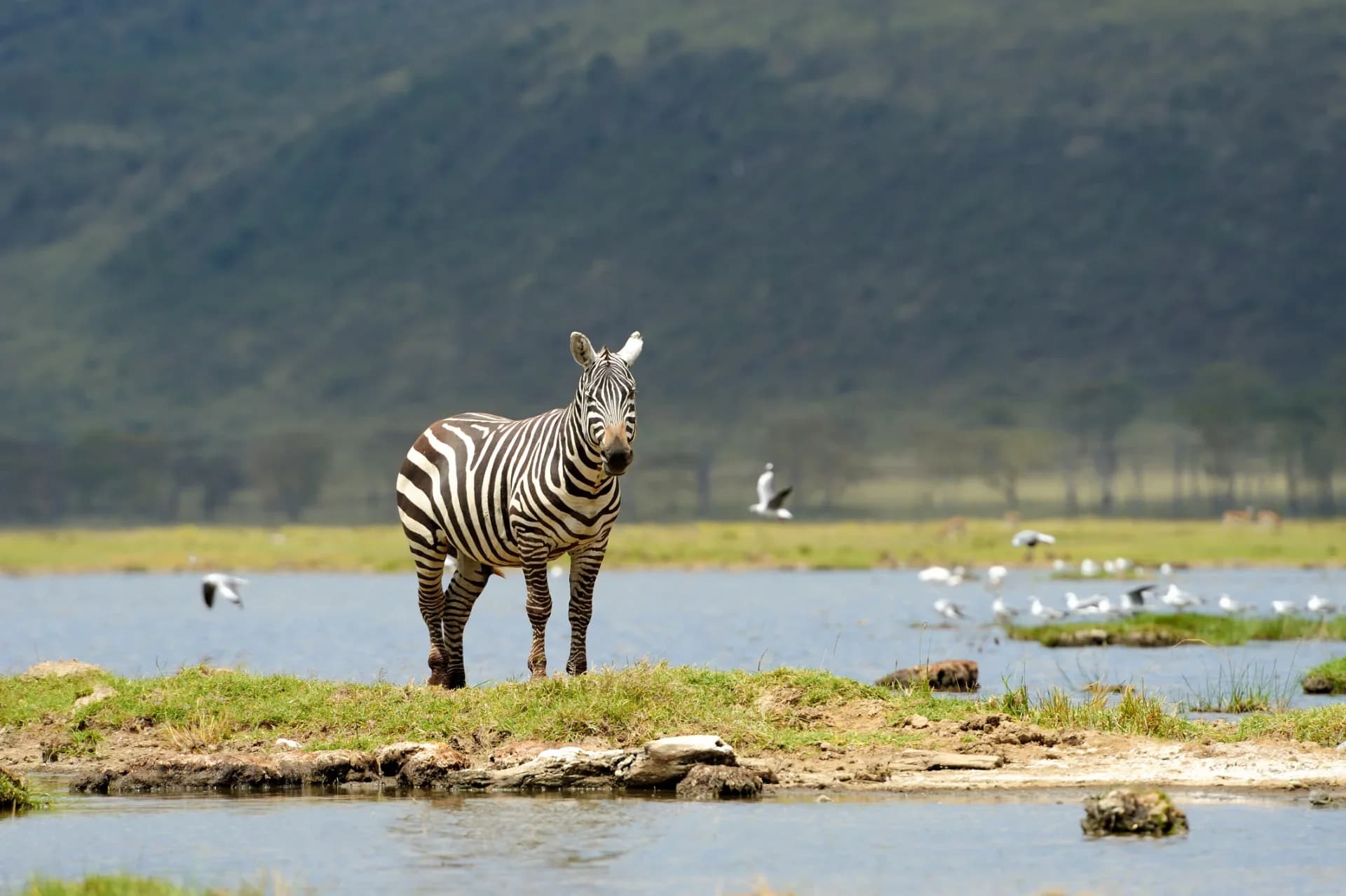
Beyond its iconic rhinos, the park supports healthy populations of lions, elusive leopards, buffaloes, zebras, giraffes, warthogs, hyenas, and numerous antelope species. Bird lovers will also appreciate the incredible variety of species found around the lake, wetlands, forests, and grasslands.
The scenery itself is equally captivating. Visitors can admire sweeping views from Baboon Cliff, marvel at Makalia Waterfall, drive through yellow fever acacia forests, and witness spectacular sunsets over the Great Rift Valley.
Its close proximity to Nairobi also makes Lake Nakuru one of Kenya's most convenient safari destinations, ideal for travelers with limited time.
Wildlife & Nature
Lake Nakuru National Park boasts one of Kenya's richest ecosystems despite its modest size. The alkaline lake, surrounding grasslands, rocky cliffs, marshes, and woodlands create habitats for hundreds of animal and bird species.
The park is particularly famous for its successful rhino conservation program. Visitors regularly encounter both endangered black rhinos and southern white rhinos grazing peacefully across the open plains.
Predators include lions, leopards, spotted hyenas, and smaller carnivores such as jackals. Herbivores commonly seen include buffaloes, zebras, impalas, waterbucks, bushbucks, elands, reedbucks, and the endangered Rothschild's giraffe, which was successfully reintroduced into the park.
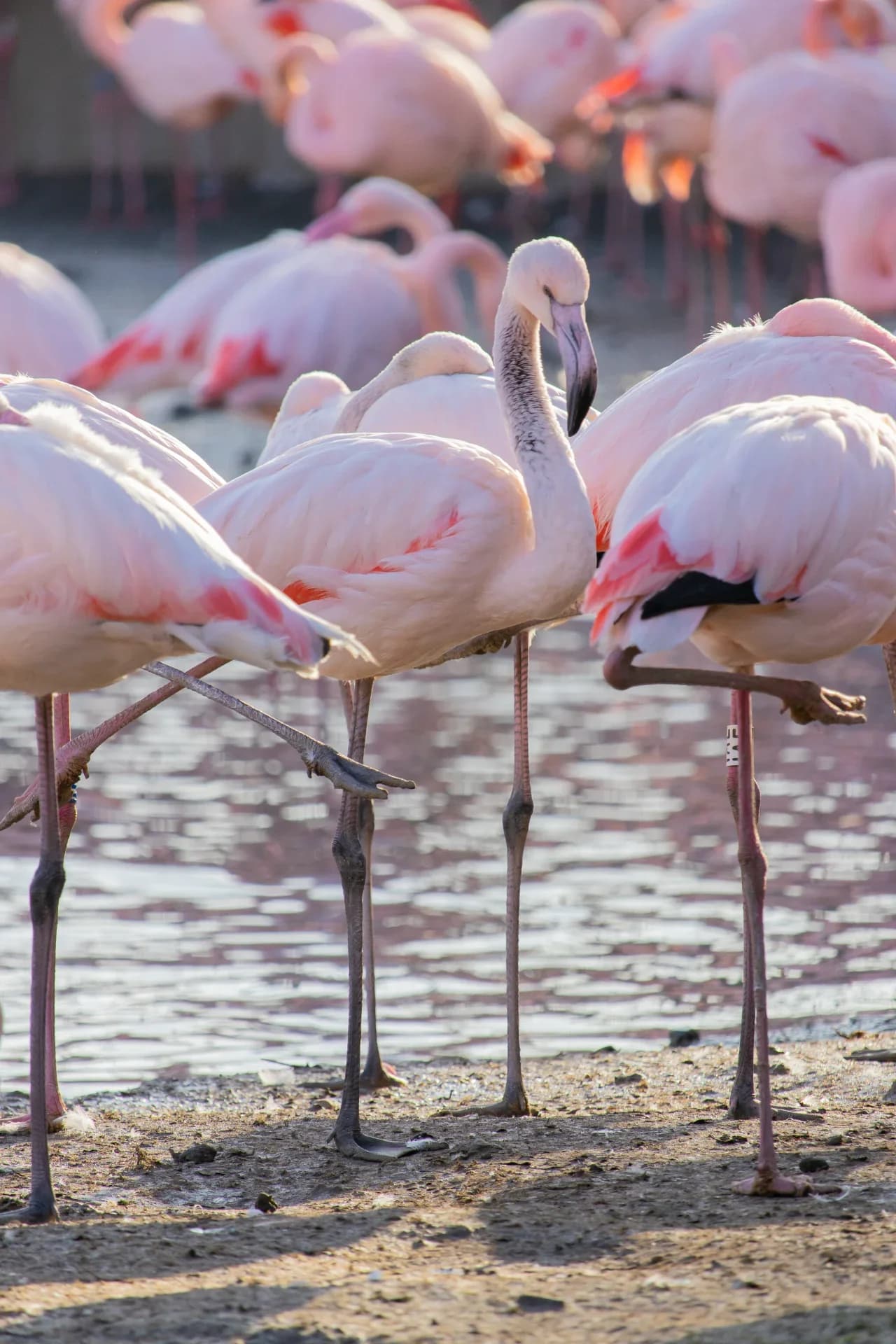
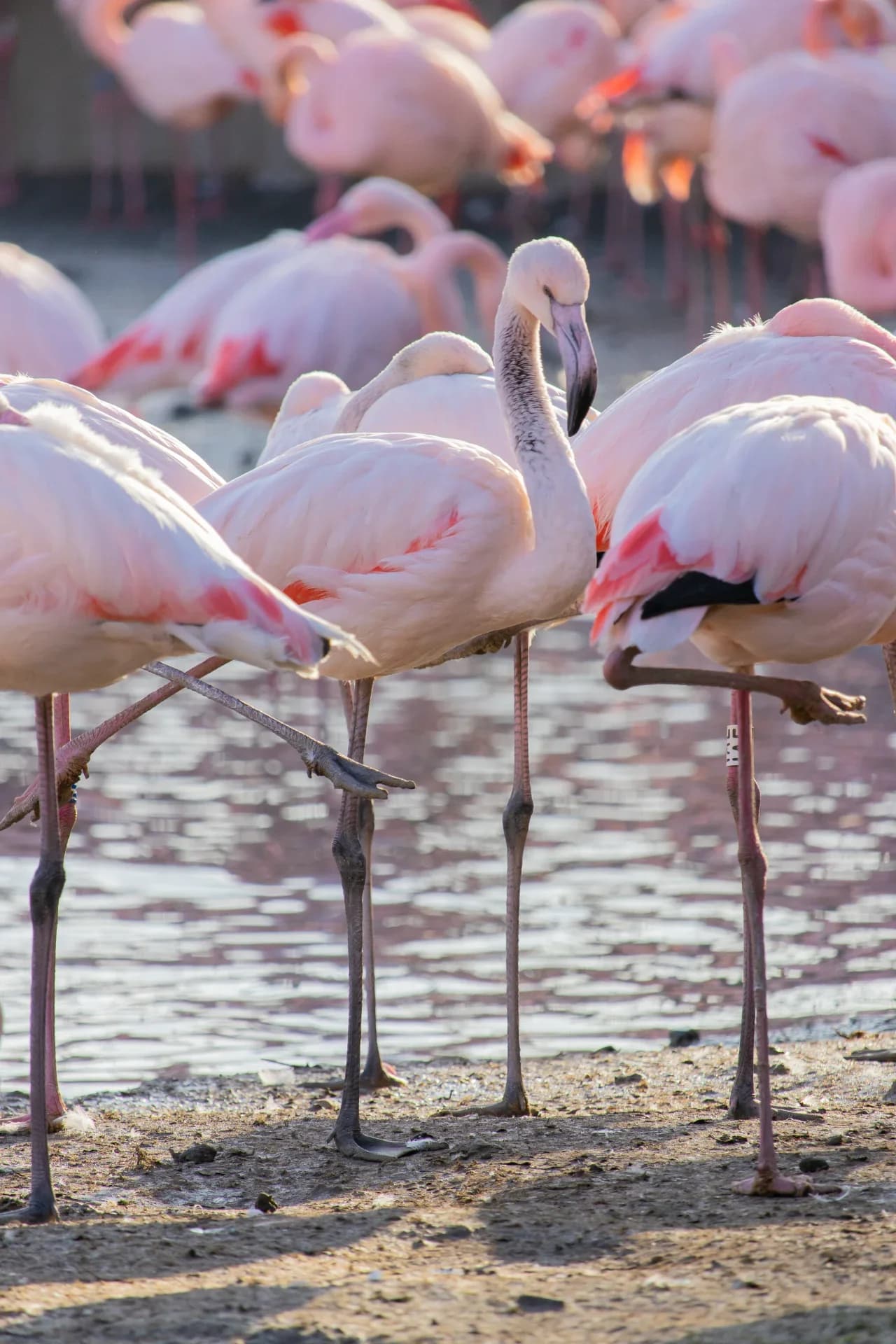
Lake Nakuru remains one of Africa's premier birdwatching destinations. Although flamingo numbers fluctuate depending on water levels and algae concentrations, the lake continues to attract thousands of greater and lesser flamingos throughout different seasons. Other notable bird species include African fish eagles, pelicans, herons, storks, cormorants, kingfishers, African spoonbills, crowned cranes, secretary birds, and numerous migratory species.
The park's vegetation is equally diverse, featuring euphorbia forests, acacia woodlands, open savannahs, rocky escarpments, freshwater springs, and wetlands that sustain this remarkable biodiversity.
Culture & Community
The communities surrounding Lake Nakuru National Park represent a rich blend of Kenya's cultural heritage. The area is home to several ethnic communities, including the Kikuyu, Kalenjin, Maasai, and Luo peoples, each contributing unique traditions, cuisines, music, crafts, and lifestyles.
Many local residents depend on tourism for employment as safari guides, lodge staff, conservation officers, artisans, and entrepreneurs. By visiting Lake Nakuru through responsible tour operators such as Wildpath Africa, travelers directly support local livelihoods while contributing to wildlife conservation efforts.
Visitors may also explore nearby cultural markets where handcrafted beadwork, woven baskets, wood carvings, paintings, and traditional textiles are available. Local cuisine featuring nyama choma, ugali, sukuma wiki, tilapia, chapati, and fresh tropical fruits offers visitors an authentic taste of Kenyan hospitality.
Conservation education is another important aspect of the region. Community-led conservation initiatives encourage peaceful coexistence between people and wildlife while promoting sustainable tourism that benefits future generations.
The surrounding Great Rift Valley also offers fascinating geological history stretching back millions of years, making the area both culturally and scientifically significant.
Attractions & Highlights
Lake Nakuru
The park's alkaline lake, famous for attracting flamingos and supporting a rich ecosystem of birds and wildlife.
Baboon Cliff
A scenic viewpoint offering breathtaking panoramic views of the lake and surrounding landscapes.
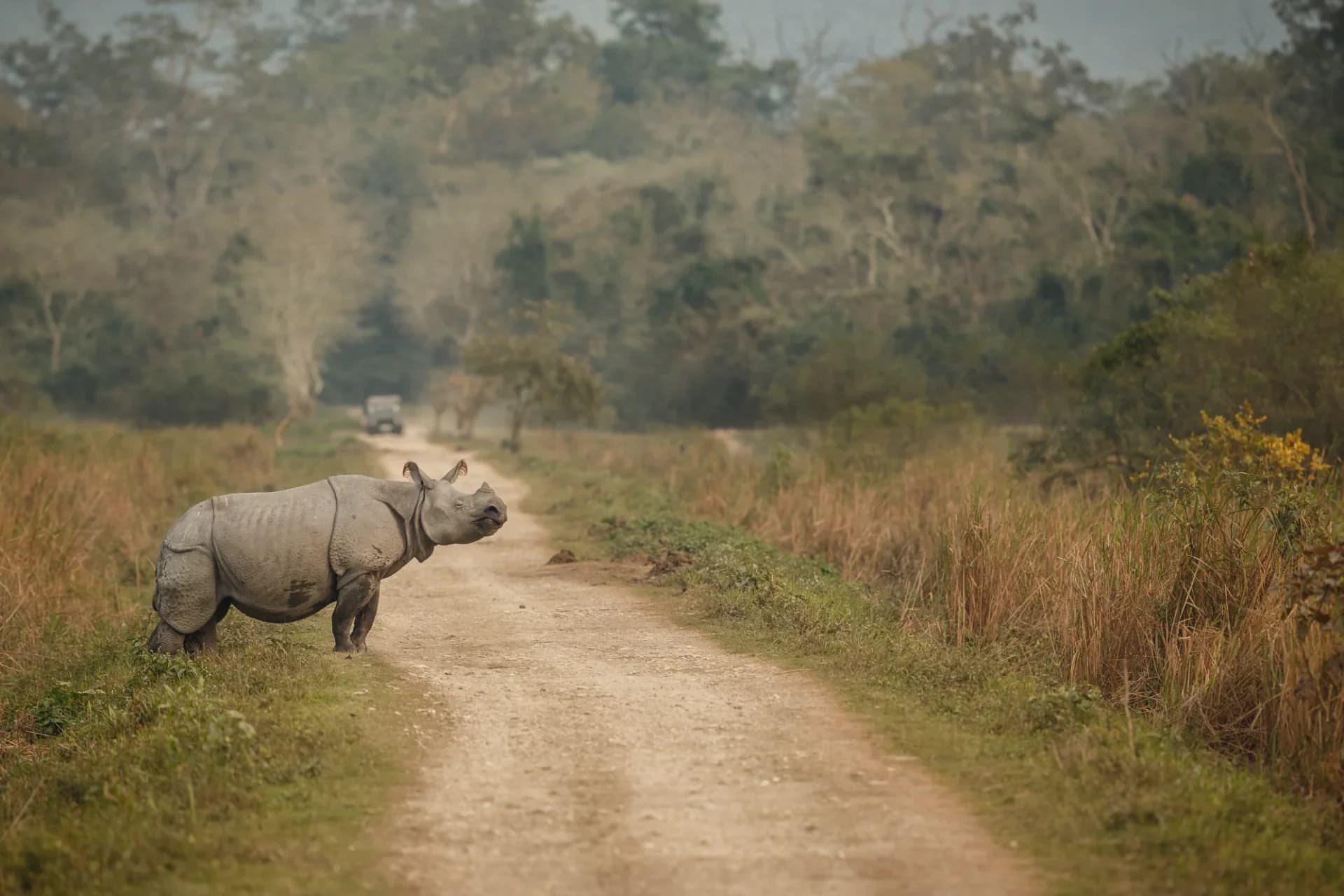
Rhino Sanctuary
One of Kenya's most successful conservation areas for endangered black and white rhinos.
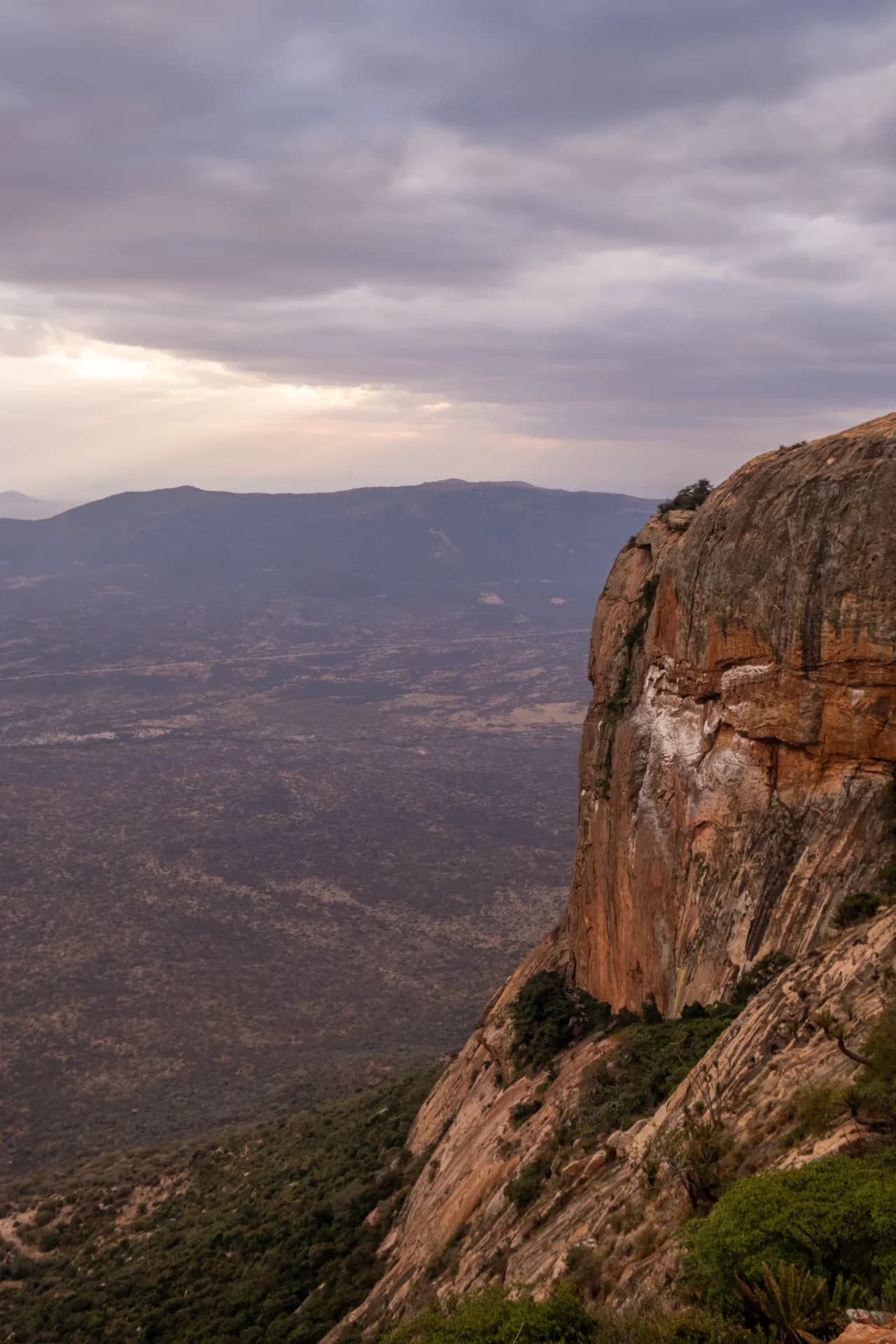
Out of Africa Viewpoint
A famous lookout inspired by the iconic film, offering spectacular vistas of the Great Rift Valley.
Frequently Asked Questions
What is Lake Nakuru National Park famous for?▼
It is famous for its endangered black and white rhinos, flamingos, rich birdlife, and diverse wildlife.
Can I see the Big Five in Lake Nakuru?▼
The park is home to lions, leopards, buffaloes, and rhinos, but elephants are not found here, so it is not a complete Big Five destination.
Is Lake Nakuru suitable for families?▼
Yes. The park's accessibility, excellent road network, and abundant wildlife make it an excellent destination for families.
What animals can I expect to see?▼
visitors commonly see rhinos, lions, leopards, giraffes, zebras, buffaloes, hippos, baboons, waterbucks, and many bird species.
Can Lake Nakuru be combined with other safari destinations?▼
Yes. It is often included in itineraries with Lake Naivasha, Hell's Gate National Park, Maasai Mara, Amboseli National Park, and Aberdare National Park.
Plan Your Trip
Ready to experience Lake Nakuru National Park? Get a customized safari quote today.