Discover Kenya
Nairobi National Park
Destination Overview
Introduction
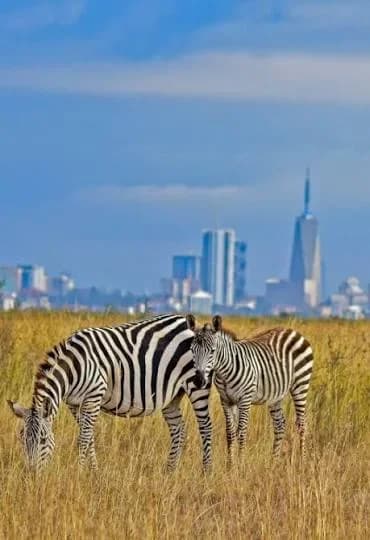
Located just 7 kilometres south of Nairobi's bustling city centre, Nairobi National Park is one of the world's most extraordinary wildlife destinations. Established in 1946 as Kenya's first national park, it remains the only national park on Earth situated within the boundaries of a capital city. This unique location creates an unforgettable contrast where visitors can witness lions, rhinos, giraffes, buffaloes, and other iconic African wildlife roaming freely against the backdrop of Nairobi's modern skyline.
Covering approximately 117 square kilometres, the park may be smaller than Kenya's famous Maasai Mara or Tsavo National Parks, but it offers exceptional wildlife viewing and conservation experiences. It is renowned for protecting one of Kenya's largest populations of endangered black rhinos and provides an important sanctuary for lions, cheetahs, leopards, giraffes, zebras, buffaloes, ostriches, hippos, crocodiles, and more than 400 recorded bird species.
Thanks to its close proximity to Jomo Kenyatta International Airport (JKIA) and the city centre, Nairobi National Park has become one of Africa's most accessible safari destinations. It is ideal for travellers with limited time, business visitors, families, photographers, and those beginning or ending a Kenyan safari.
A visit to Nairobi National Park can easily be combined with nearby attractions such as the David Sheldrick Wildlife Trust, Giraffe Centre, Karen Blixen Museum, Bomas of Kenya, and the Nairobi Safari Walk, creating a full day of unforgettable wildlife and cultural experiences.
Whether you're embarking on your first African safari or adding a quick game drive to your itinerary, Nairobi National Park offers an authentic wildlife adventure unlike anywhere else in the world.
Why Visit Nairobi National Park?
Nairobi National Park offers a safari experience unlike any other. It is the only place where visitors can watch wild lions stalking prey while skyscrapers rise in the distance, creating one of Africa's most iconic and photographed landscapes.
The park is especially famous for its black rhino conservation programme and is one of Kenya's best places to see these critically endangered animals in their natural habitat. Wildlife sightings are frequent throughout the year, with excellent chances of spotting lions, giraffes, buffaloes, zebras, impalas, ostriches, warthogs, hyenas, and cheetahs during a single game drive.
Its accessibility is another major advantage. Located less than 30 minutes from both Nairobi city centre and JKIA, it is perfect for travellers with layovers, business trips, or limited holiday time. Many visitors enjoy a half-day or full-day safari without travelling to Kenya's more remote parks.
Beyond game drives, Nairobi National Park also serves as a hub for conservation education. Visitors can learn about wildlife protection, rhino conservation, elephant rescue, and giraffe preservation through nearby conservation centres.
The combination of wildlife, conservation, convenience, and city views makes Nairobi National Park one of Kenya's most remarkable destinations.
Wildlife & Nature
Despite its urban location, Nairobi National Park supports an impressive diversity of wildlife across open grasslands, riverine forests, acacia woodlands, rocky valleys, and seasonal wetlands.
The park is internationally recognised for its thriving black rhino sanctuary, providing one of the highest chances of seeing black rhinos anywhere in East Africa. Southern white rhinos can also occasionally be spotted within protected areas.
Predators include lions, cheetahs, spotted hyenas, and the elusive leopard. Large herbivores such as buffaloes, giraffes, zebras, elands, hartebeests, impalas, waterbucks, gazelles, and warthogs roam freely throughout the park.
Although elephants are not found here, the park still offers excellent opportunities to observe many of Africa's most iconic animals within a relatively short game drive.
Bird enthusiasts will be equally impressed. Over 400 bird species have been recorded, including crowned cranes, secretary birds, African fish eagles, ostriches, vultures, herons, kingfishers, storks, and migratory birds that visit during different seasons.
The Nairobi River and several dams support hippos, crocodiles, amphibians, and numerous aquatic birds, further enriching the park's biodiversity.
Culture & Community
Nairobi National Park plays an important role in connecting wildlife conservation with local communities. The surrounding region is home to diverse Kenyan communities, including the Maasai, Kikuyu, Kamba, Luo, Luhya, and many others who contribute to Nairobi's rich cultural heritage.
Tourism supports thousands of local jobs through safari guiding, hospitality, transport services, conservation organisations, craft markets, photography, and wildlife education.
Visitors can extend their experience by exploring nearby cultural attractions such as Bomas of Kenya, where traditional dances, music, architecture, and customs from Kenya's many ethnic communities are showcased.
The nearby Maasai communities continue to preserve traditional pastoral lifestyles while participating in conservation initiatives that promote coexistence between people and wildlife.
By visiting Nairobi National Park with Wildpath Africa, travellers contribute directly to wildlife conservation, local employment, environmental education, and sustainable tourism initiatives that protect Kenya's natural heritage for future generations.
Attractions & Highlights
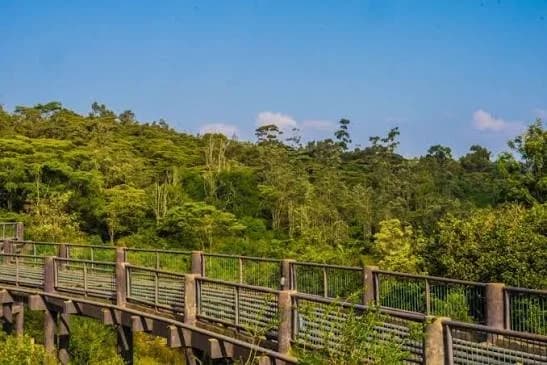
Nairobi Safari Walk
An educational boardwalk offering close encounters with Kenya's wildlife in natural habitats.
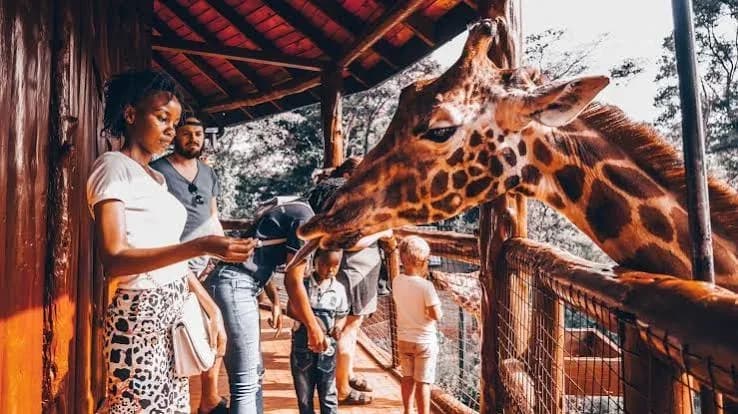
Giraffe Centre
A conservation centre where visitors can feed and learn about the endangered Rothschild's giraffe.
Karen Blixen Museum
The former home of the famous author of Out of Africa, showcasing Kenya's colonial history and heritage.
Frequently Asked Questions
What makes Nairobi National Park unique?▼
It is the only national park in the world located within a capital city, offering authentic wildlife safaris against the backdrop of Nairobi's skyline.
How far is Nairobi National Park from the city centre?▼
The park is approximately 7 kilometres from Nairobi city centre and can be reached in about 20–30 minutes, depending on traffic.
Are there elephants in Nairobi National Park?▼
No. Elephants are not found in Nairobi National Park, but visitors can see orphaned elephants during feeding sessions at the nearby David Sheldrick Wildlife Trust.
Can I visit Nairobi National Park on a layover?▼
Yes. Its proximity to JKIA makes it one of the best safari destinations for travellers with long layovers or limited time in Nairobi.
Is Nairobi National Park suitable for families?▼
Yes. The park is family-friendly and offers educational wildlife experiences, guided game drives, and nearby conservation centres that are enjoyable for visitors of all ages.
Plan Your Trip
Ready to experience Nairobi National Park? Get a customized safari quote today.