Discover Kenya
Tsavo National Park
Destination Overview
Introduction
Tsavo National Parks form the largest protected area in Kenya and one of the largest in Africa, covering more than 20,000 square kilometres of diverse wilderness in southeastern Kenya. Divided by the Nairobi–Mombasa highway into Tsavo East and Tsavo West, these twin parks harbour one of the most ecologically rich, visually dramatic, and historically fascinating landscapes on the continent. Tsavo East is characterised by vast semi-arid plains of red laterite soil bisected by the permanent Galana River, while Tsavo West is a landscape of dramatic contrasts — volcanic hills, lava rock fields, crystal-clear springs, and the extraordinary Mzima Springs where over 50 million gallons of crystal water bubble up daily through porous volcanic rock.
Why Visit Tsavo National Park?
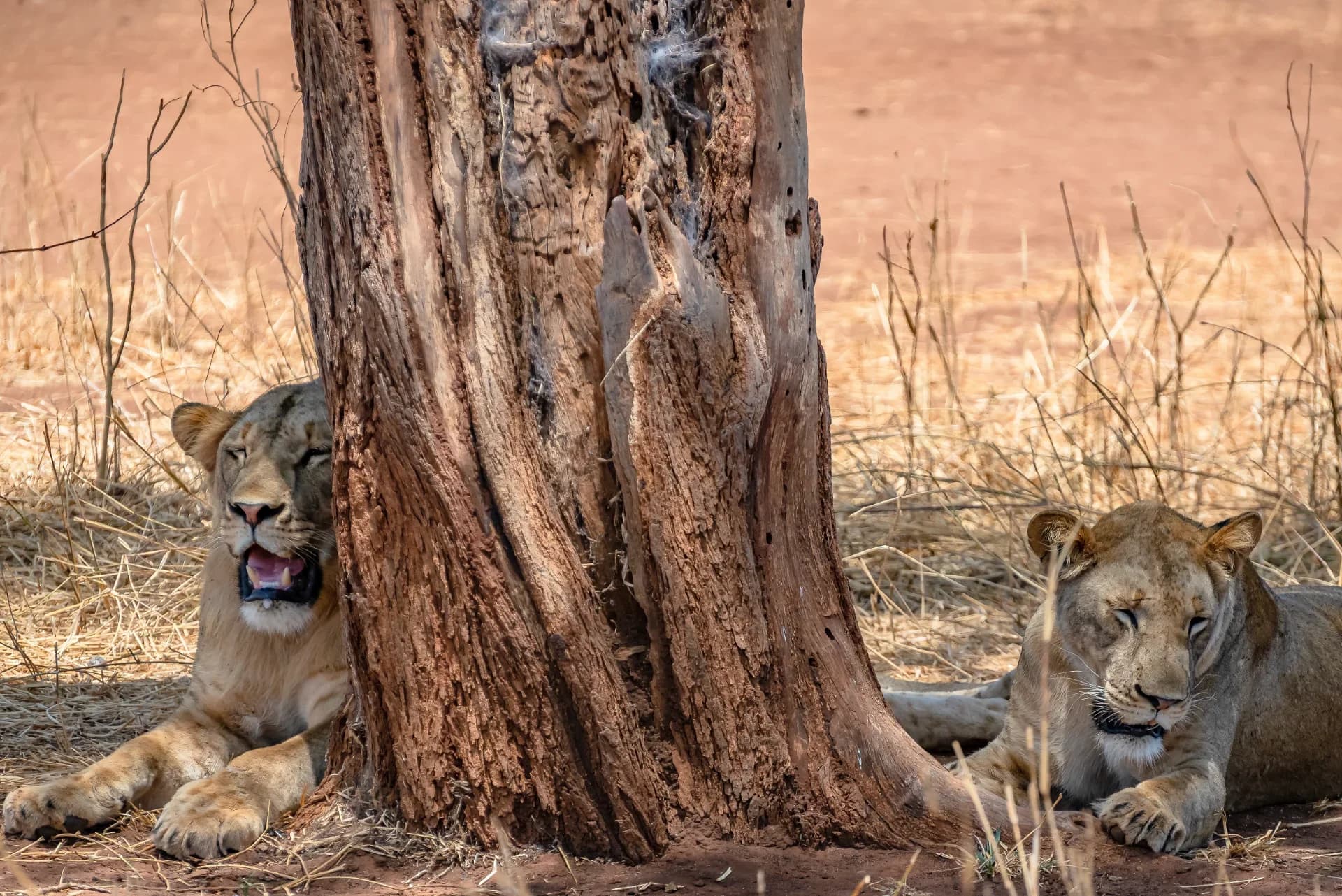
Tsavo offers a fundamentally different safari experience from Kenya's northern parks. Where Maasai Mara and Amboseli are celebrated for accessibility and density of wildlife sightings, Tsavo rewards visitors with a sense of discovery — the feeling of exploring a truly wild, largely uncrowded landscape where encounters feel genuinely unscripted. The red elephants of Tsavo are iconic — their distinctive colouration results from dust-bathing in Tsavo's iron-rich red volcanic soils, coating their grey hides in a striking terracotta hue. Tsavo hosts some of the largest elephant herds in East Africa, and the park's famous story of the man-eating lions of 1898 — who halted construction of the Kenya-Uganda Railway for nine months — adds extraordinary narrative depth to any visit.
Wildlife & Nature
Between the two parks, Tsavo supports an astonishing diversity of wildlife — all Big Five are present, including black rhino in Tsavo West's Ngulia Rhino Sanctuary. The Mzima Springs in Tsavo West sustain hippos, Nile crocodiles, barbel fish, and spectacular birdlife, visible from an underground observation chamber. The Galana River in Tsavo East sustains year-round hippos, massive Nile crocodiles, and remarkable waterbirds. The Shetani lava field — one of East Africa's youngest lava flows at approximately 200 years old — adds a dramatic geological dimension unique to Tsavo West.
Culture & Community
The communities living in the buffer zones around Tsavo — primarily Taita, Orma, and Kamba peoples — have complex, centuries-old relationships with this landscape. The Taita Hills, bordering Tsavo West to the southeast, are the homeland of the Taita people and contain some of the most biologically significant forest fragments in East Africa, home to endemic species found nowhere else on Earth. WildpathAfrica's Tsavo packages support community-based conservation initiatives in these areas, ensuring that tourism revenue flows back to the people who live alongside and protect this extraordinary wilderness.
Frequently Asked Questions
What is the difference between Tsavo East and Tsavo West?▼
Tsavo East is larger, flatter, and more arid — characterised by wide-open red laterite plains, the Galana River, and the famous Lugard Falls. It offers a remote, uncrowded safari experience with large elephant herds and excellent predator sightings. Tsavo West is more hilly and geologically diverse, featuring volcanic landscapes, the Ngulia Rhino Sanctuary, and the spectacular Mzima Springs where crystal-clear water bubbles through volcanic rock and can be viewed from an underground observation chamber. Most WildpathAfrica guests choose one park based on their lodge preference, though combined itineraries are possible.
What are the red elephants of Tsavo?▼
The red elephants of Tsavo are not a separate species — they are the same African bush elephants found across East Africa. Their distinctive red-orange colouration comes from their habit of dust-bathing and wallowing in the iron-rich red laterite soils found throughout Tsavo. This red soil coats their grey hides, giving the entire herd a striking terracotta appearance. Tsavo hosts one of the largest elephant populations in Kenya, and seeing these magnificently red-dusted giants in their natural environment is one of the Tsavo safari's most unique and memorable experiences.
Can I see rhinos in Tsavo?▼
Yes — black rhino are present in Tsavo West, primarily within the Ngulia Rhino Sanctuary, a fenced conservation area that protects a breeding population of this critically endangered species. Rhino sightings in Tsavo are less predictable than elephant or lion sightings, but WildpathAfrica's guides are familiar with the sanctuary and can advise on the best approach to maximise your chances. Tsavo West is considered one of Kenya's better locations for black rhino sightings outside of Ol Pejeta Conservancy.
What is Mzima Springs and why should I visit?▼
Mzima Springs in Tsavo West is one of Kenya's most extraordinary natural wonders — a series of powerful springs where over 50 million gallons of crystal-clear water bubble up daily from porous volcanic lava rock, fed by rainfall on the distant Chyulu Hills. The springs support a thriving ecosystem of hippos, Nile crocodiles, barbel fish, and spectacular birdlife, all visible in remarkably transparent water. An underground observation chamber allows visitors to watch hippos and fish glide past at close range — a completely unique wildlife viewing experience available nowhere else in Kenya.
What lodges does WildpathAfrica offer in Tsavo?▼
WildpathAfrica's 2026 Tsavo 3-day package offers a wide range of lodge options across both parks. In Tsavo East: Man Eaters Camp (from KSH 27,000), Ashnil Aruba Lodge, Severein Camp, and Kudu Lodge. In Tsavo West: Voi Wildlife Lodge, Voyager Safari Camp, the iconic Salt Lick Safari Lodge (built on stilts above a floodlit waterhole for extraordinary nocturnal wildlife viewing), and Taita Hills — all with distinct characters and locations tailored to different budgets and preferences.
Why are the Tsavo lions famous?▼
The Tsavo lions became globally famous during the construction of the Kenya-Uganda Railway in 1898, when two large, maneless male lions killed and ate at least 35 Indian and African construction workers over a nine-month period, halting construction entirely. The lions — dubbed 'The Ghost and The Darkness' — were eventually shot by Lieutenant Colonel John Henry Patterson, who later wrote a celebrated book about the events. The actual skulls of the two lions are housed in the Field Museum in Chicago. Their story has been told in multiple books and a Hollywood film, making the Tsavo lions among the most famous individual animals in history.
Plan Your Trip
Ready to experience Tsavo National Park? Get a customized safari quote today.